
Not everything deserves your best effort
Hard work is bad default

A pickleball friend introduced a hypothetical to me that I can’t get out of my head:
I think playing at the 3.5 level is the most optimal.
You can have the most fun playing pickleball almost anywhere.
The moment you get to 4.0+, the pool of players dramatically shrinks, you have less patience for casual games, and you take the sport more seriously…
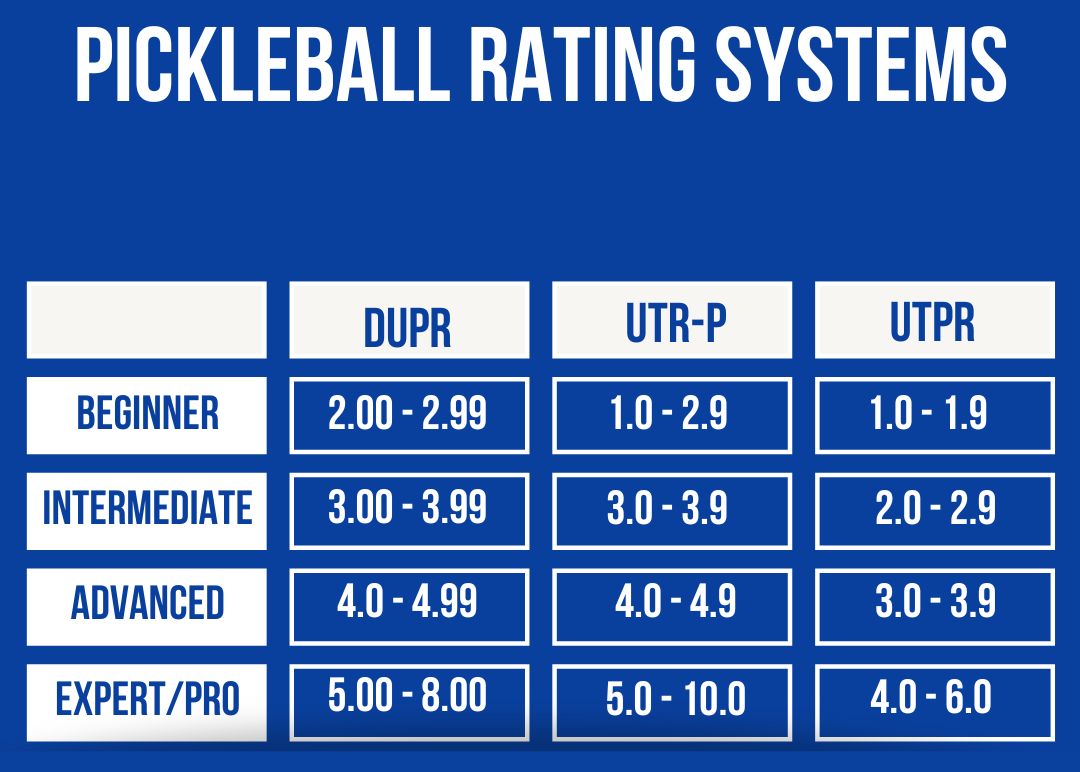
The higher the number, the higher the skill level in pickleball. DUPR below is probably the most commonly used system, as shown below:1
I love this thought experiment because it’s extensible to many other areas of life:
At what point does an activity go from “fun” to “too serious?”
Is the answer to always lean into progressively harder levels, or do you cap your ambitions in order to optimize for fun and longevity instead?
Does everything deserve your best effort?
What follows is a set of takes I have examining this question from different angles.
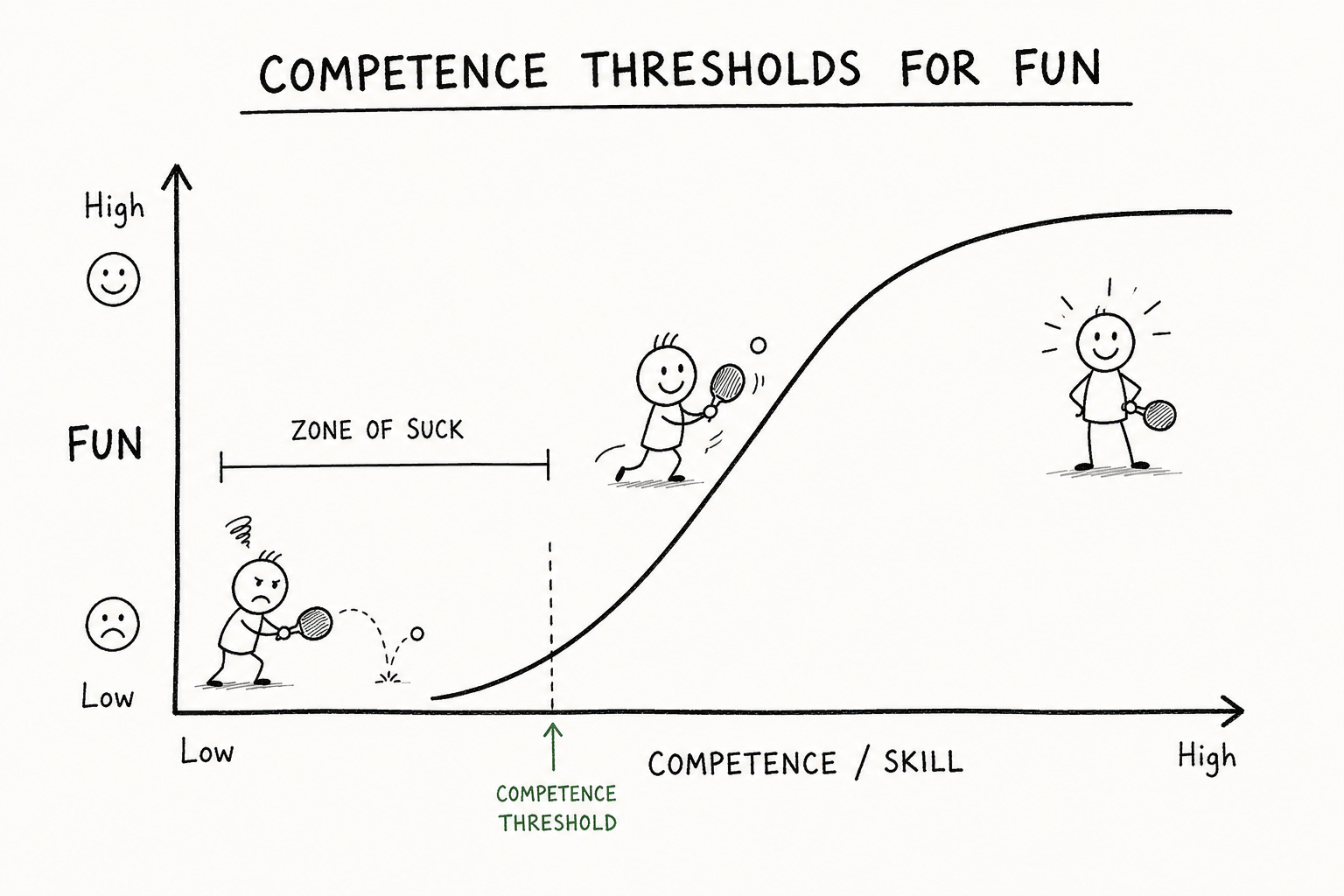
The “Zone of Suck”
In any domain you care about, being an absolute beginner is often the most frustrating stage of the journey.
I start with pickleball because sports are immediate-feedback activities that constantly remind you of your current level. If you’ve yet to develop competence in the basics, then the game feels hard and confusing. You hit a bunch of out balls and feel your face get hot with embarrassment as opponents easily crush you2.
Being a beginner is full of friction, and friction is the price of admission to new experiences.
To be a beginner is to reside in “the zone of suck” for a while.
Self doubt, embarrassment, and desire to get better all come abundantly with the beginner package.
Conversely, the more competent you become, the more you’d enjoy that activity.
There are “competence thresholds for fun.”
When I started a website called UXBeginner, it was because I felt like an absolute newbie and desperately wanted to evolve from a lowly-paid junior to a senior designer.
Once I got sufficiently good at UX design, it was easier to “get in the zone” and have more fun with work.
To me, this is one of the more exciting moments in the human experience:
The feeling of improvement.
The jump from total beginner to somewhat competent is HUGE, and feels that much bigger than the incremental gains that come later:
Jumping from absolute newbie 2.0 → competent 3.0 in pickleball feels amazing. Going from 3.5 → 4.0 might feel like a lonely, daunting grind.
Going from $0 to your first $75K full time job feels more amazing than going from $75K → $150K, even if the delta in amounts is the same.
If you’re in this zone right now with anything - congratulations!
You feel like hard work has paid off. Progress feels fucking awesome and you owe it to yourself to enjoy every bit of the journey.
Working hard might net you great results, especially to cross those initial competence thresholds for fun.
But unchecked, it can backfire, leading to burnout, anxiety, and a need to take a break from the thing you were working so hard on.
Maxxing culture
I’m amused by the Gen-Z term “maxxing.” Yes, with more than 1 X.
It is direct in its implication - you MAX out an activity.
Looksmaxxing is to max out your looks.
Financemaxxing is to save and/or make as much money as possible.
Even sleepmaxxing involves getting the best gear & routine to max out sleep quality.
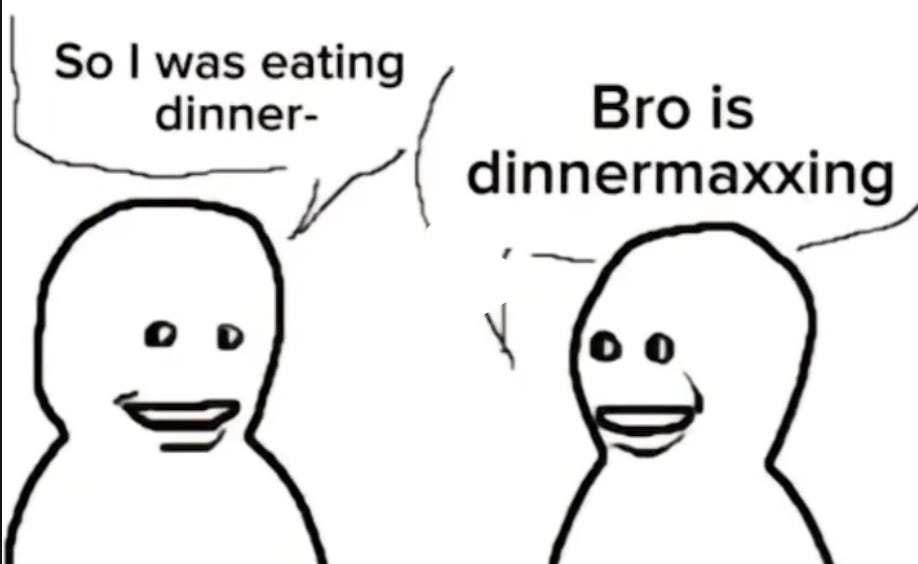
Maxxing is just a new term for something that’s always existed: Hustle culture. Productivity mindset grindset. Work hard, become the best, cue Pokemon theme song.
This trend makes a lot of sense from the perspective of work culture.
Generally, we’re rewarded for working harder and planning for what’s next.
Striving and effort becomes the water we swim in. Conversations all flow with “what’s next?” with the assumption of “you’re going to do more, right?”
These are all norms of thinking supported by everyday life:
If you’re single, people are going to ask when you’re going to settle down
Once you find someone, they’ll ask when you’re going to get married
Once you get married, they’ll ask when you’re going to have kids
Once you have kids…you’ll get asked about when they’re going to do all of the above.
In the absence of more well thought out values, “giving it your all” a la Maxxing can suck up all the oxygen in the room.
I’ve met countless folks (okay, mainly Asians lol) who were forced to play piano and never wanted to touch it again in adulthood. Whatever passion or innate interest was there for a hobby can be easily squashed through force and pressure.
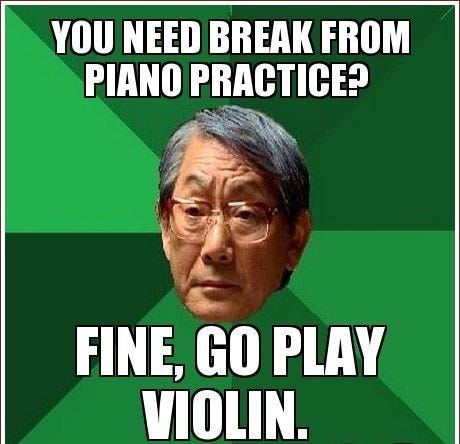
Interests can be suffocated by the immense pressure of expectations to be great.
Do you have to work hard at everything?
Since going on sabbatical, I’ve had more distance from the cult of constant striving.
It’s making me look at everything I do through a new lens.
Sports: Conversations with pickleball friends often steer towards the question of playing in tournaments or getting serious coaching.
I’ve decided to slowly get better by playing in casual (not serious) leagues. I am okay if after a year, I move up 0.2 points in level (~3.3 → 3.5) instead of some incredible effort to get to 4.0.
Skills: At a more modest level, when I expressed interest in learning some handyman skills, friends ask if I’m going to sign up for trade school.
No, I decided I just wanted to pick up a couple skills over time, as relevant home projects come up.
Hobby: I started taking classes in music production and my friends asked “Do you want to become a big DJ?” (and someday play at the likes of Coachella, etc)
The last one is interesting for me because this class has helped me discover a new hobby in music production.
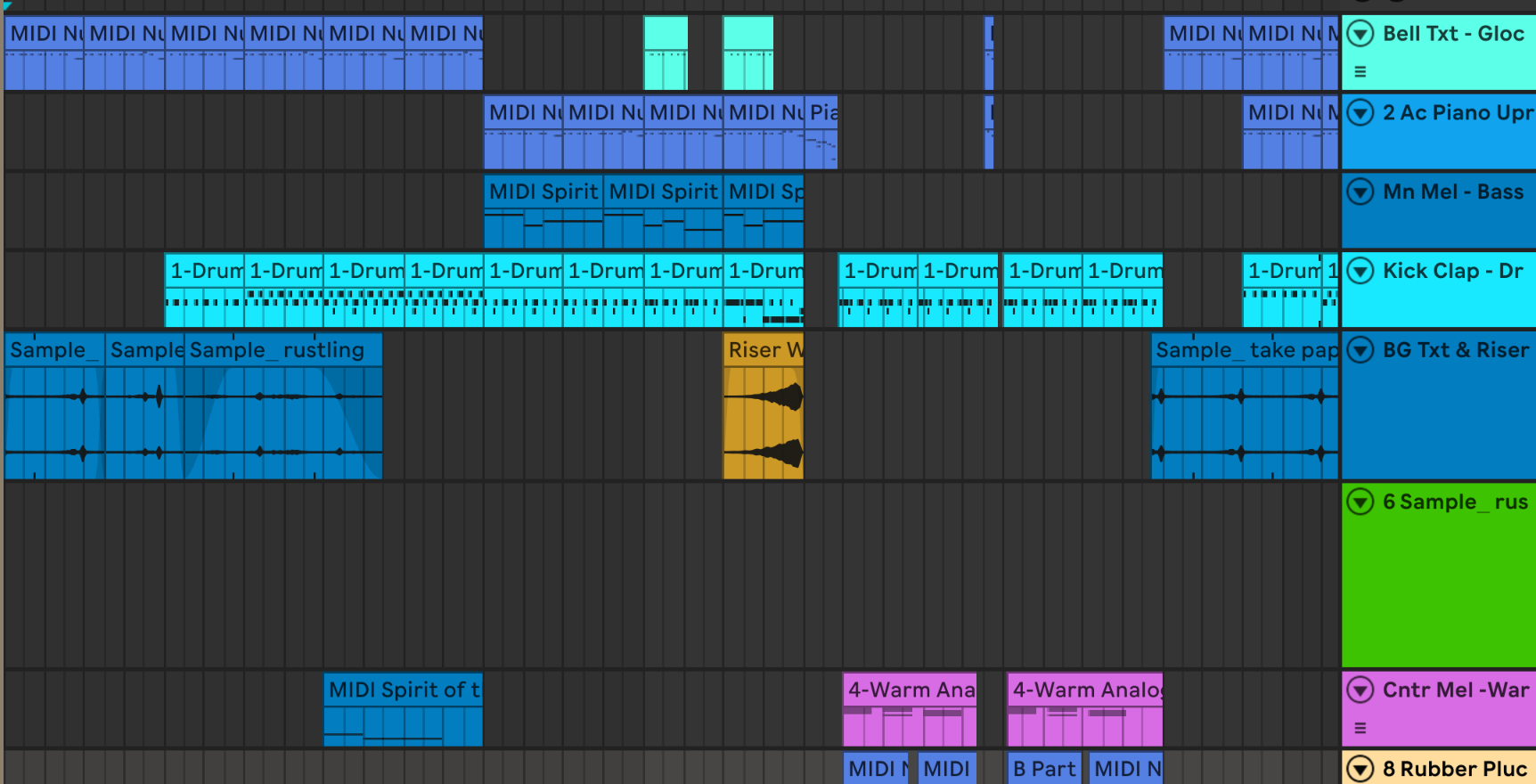
Music production sits in an interesting zone of interest + effort for me…
In the past, I automatically assumed a growth orientation. I have to get better / become really good at XYZ thing, or else it’s not worth it or that it means something bad about me as a person.
While I enjoy making music, it does not feel all-consuming. I like where it sits in my energy expenditure and priorities. I’ve adopted two lenses for this new hobby:
I want to cultivate this new hobby like a seedling, and be patient with it. No need to crush it.
In my era of throwing spaghetti at the wall, there are still branches of music I’m exploring. Music production has spawned a new desire to learn piano, music theory and guitar so I can make songs that don’t just sound like robot music.
Now, I feel unusually vigilant in protecting this era of exploration. Music production is this nascent, budding interest of mine that I don’t want to suffocate with the cult of striving + hard work.
FI has enabled me to be mediocre
Before, work always served as a default measuring stick.
This activity makes money and funds my financial independence.
“Frivolous” activities I might otherwise be interested in can easily slide into the background. Because I got work…
Now that a layoff has launched me into a post-work life, hustle culture’s stranglehold on me has loosened.
This distance from the corporate environment has had subtle but powerful effects on me.
“Frivolous” activities are not the exception - they are the norm. I fill up my days with things that don’t make me money and feel less guilt for that now.
(And to treat those activities with an intensity as if my livelihood depends on them, runs counter to the entire point of not having to work!)
Each activity can exist its own container. I can let pickleball be pickleball, rather than predominantly a way to blow off steam from work. I can let music be its own thing, without immediately turning it into a side hustle to show my coworkers that my frivolous interests can bear some fruit.
In other words… FI has allowed me to be mediocre at things.
I worked hard on my financial journey to afford not having to work hard on other things.
FI really does have a circular beauty to it:
The point of budgeting now, is to create a system so that you don’t have to budget as much later.
You invest enough money such that it compounds on its own, and after a certain point you don’t have to invest any more.
We work hard so that someday we do not have to work hard at everything
The FI movement now is more focused on lifestyle design and values - especially for optimizers who want to max effort everything. You can listen to countless stories on podcasts like ChooseFI or Money for Couples about someone who worked hard on their way to wealth, and is afraid to drop $100 on a simple pleasure even though is negligible.
Unwiring and unlearning takes a long time. It’s a weird kind of effort.
I love the concept of inversion, and FI has enabled me the agency to “work” on the soft skills that all run in the opposite direction of hustle culture:
working on soft skills
Relax my nervous system
Less screen time, more nature
Letting go of things, ideas, attachments more easily
Cultivate a spirit of not rushing nor clenching through effort
I’d love to hear from you:
What’s a decision you’ve had to make about increasing or decreasing effort?
What is the point at which an activity goes from “fun” to “too serious?”
You can directly hit “reply” on this email.
Or go on the free Substack app to comment on this article
Or DM me within Substack.
FOOTNOTES
I play at the intermediate level, but since I’ve never been officially assessed, my best guess is that I play between the 3.1-3.5 level.
Many people perceive pickleball as an easy sport due to it looking like a funny, miniature version of tennis. While pickleball is just about the easiest paddle sport to pick up (much lower barrier of entry than tennis), people do humbled quickly once they see how deep the game can go.
I’m kinda at that point w/ fiction writing. The WRITING was an amazing experience, but I’ve now gotten sucked into PUBLISHING which is a whole depressing beast. But that’s the “serious” track. So now I’m trying to figure out my right level of balance between writing and selling that writing.
So you don’t want to do a 5.0 tournament with me? 😜